
Understanding the Impact of Disabilities on Child Development
Understanding the Impact of Disabilities on Child Development is no laughing matter, but let's try to lighten the mood a bit, shall we? Disabilities can have a profound effect on a child's development, shaping their unique journey in unexpected ways. From physical impairments to learning disabilities, these challenges can present hurdles that require extra support and understanding. However, it's important to remember that disabilities don't define a child's potential or limit their ability to thrive. With the right resources, encouragement, and a sprinkle of humor, we can help children with disabilities navigate their path to success, one giggle at a time.
Cognitive and Intellectual Development in Children with Disabilities
One interesting fact about how disabilities affect child development is that children with disabilities often demonstrate remarkable resilience and adaptability. Despite facing challenges in various aspects of their development, such as physical, cognitive, or social-emotional, these children often find unique ways to navigate their world and achieve their goals. Their disabilities can foster creativity, problem-solving skills, and a heightened sense of empathy, as they learn to navigate the world in their own unique way. This resilience and adaptability not only shape their individual development but also contribute to a more inclusive and diverse society.
Let's dive into the fascinating world of Cognitive and Intellectual Development in Children with Disabilities, shall we? Disabilities can present unique challenges when it comes to cognitive and intellectual development, but they certainly don't mean the end of the road. Children with disabilities may have different learning styles or require alternative approaches to education, but their potential for growth and achievement is boundless. With patience, creativity, and a dash of humor, we can unlock their cognitive abilities and help them reach their full potential. So, let's embrace the quirks, celebrate the small victories, and pave the way for a future where every child, regardless of their abilities, can shine bright like a star.
Social and Emotional Development Challenges Faced by Children with Disabilities
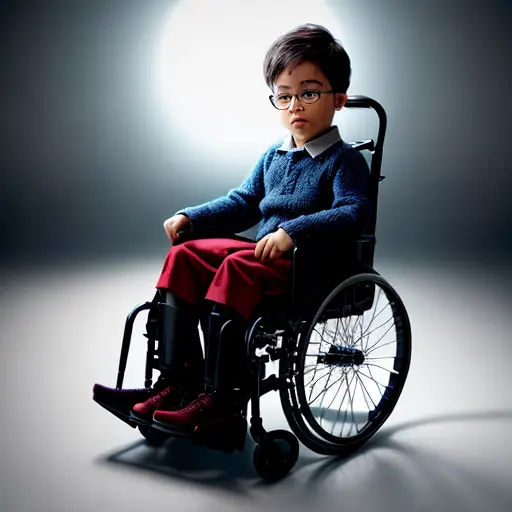
Let's take a moment to explore the social and emotional development challenges faced by children with disabilities. Disabilities can impact a child's ability to navigate social interactions and regulate their emotions, presenting unique hurdles along their developmental journey. These challenges can stem from a variety of factors, such as communication difficulties, physical limitations, or societal stigmas. However, it's crucial to remember that children with disabilities are just as deserving of meaningful connections and emotional well-being as their peers.
Socially, children with disabilities may face barriers in forming friendships or participating in group activities. They may struggle with communication, leading to feelings of isolation or frustration. Additionally, societal attitudes and misconceptions can contribute to the exclusion or marginalization of these children, further hindering their social development. However, with patience, understanding, and inclusive environments, we can help children with disabilities build social skills, foster friendships, and create a sense of belonging.
Emotionally, children with disabilities may experience heightened levels of stress, anxiety, or low self-esteem due to their unique challenges. They may face difficulties in understanding and expressing their emotions, leading to frustration or behavioral issues. It is essential to provide them with a safe and supportive environment where they can explore and process their feelings. By promoting emotional intelligence, teaching coping strategies, and offering therapeutic interventions, we can help children with disabilities develop resilience and a positive sense of self.
In conclusion, the social and emotional development of children with disabilities can be influenced by various factors. However, by fostering inclusive environments, promoting understanding, and providing appropriate support, we can help these children overcome challenges and thrive. Let's embrace their unique strengths, celebrate their achievements, and create a world where every child, regardless of their abilities, can flourish socially and emotionally.
Strategies and Interventions for Supporting the Development of Children with Disabilities
Fun fact: Did you know that children with disabilities often possess unique strengths and abilities that can positively impact their overall development? For instance, children with visual impairments tend to have enhanced auditory skills, while those with autism may exhibit exceptional attention to detail and pattern recognition abilities. Embracing and nurturing these strengths can help children with disabilities thrive and contribute in their own remarkable ways!
When it comes to supporting the development of children with disabilities, a range of strategies and interventions can make a world of difference. Individualized education plans, tailored therapies, and assistive technologies are just a few examples of the tools available to help these children reach their full potential. Additionally, creating inclusive environments that foster acceptance and understanding can go a long way in supporting their development. By providing appropriate accommodations, promoting social inclusion, and offering emotional support, we can empower children with disabilities to overcome challenges and thrive in all areas of their development. Let's embrace these strategies, break down barriers, and ensure that every child, regardless of their abilities, has the opportunity to shine.